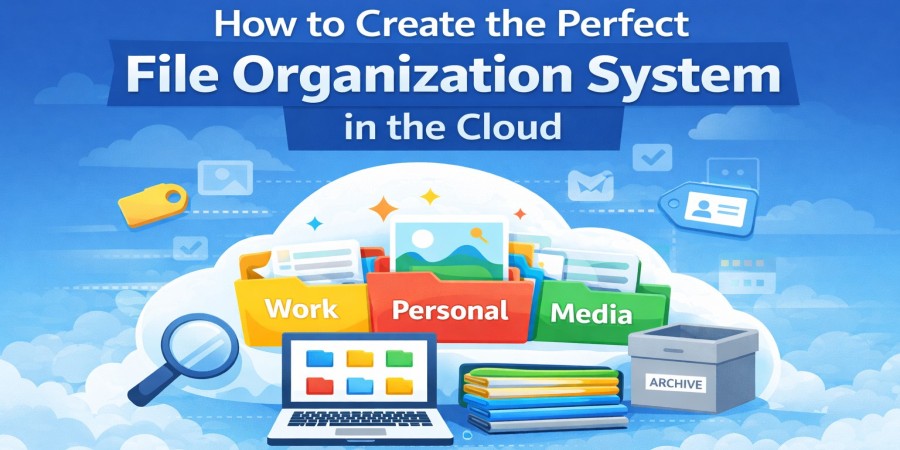
How to Create the Perfect File Organization System in the Cloud
Apr 01, 2026 05:34 AM
Leandro Neto
How to Create the Perfect File Organization System in the Cloud
As digital files continue to grow in size and number, keeping them organized becomes increasingly important. Without a proper system, files can quickly become difficult to find, leading to wasted time and frustration.
Creating an effective file organization system in the cloud helps users store, manage, and access their files more efficiently. A well-structured system ensures that documents, media files, and projects remain easy to locate and share.
Using platforms like AngoFiles allows users to organize their digital content securely while maintaining easy access from any device.
In this guide, we explore how to create the perfect file organization system in the cloud.
Start with a Clear Folder Structure
The foundation of any good file organization system is a clear and logical folder structure.
Instead of storing everything in one location, divide files into main categories.
Example structure:
Work
- Projects
- Reports
- Presentations
Personal
- Photos
- Documents
- Videos
Media
- Audio
- Graphics
- Downloads
This structure makes it easier to navigate your storage and quickly locate files.
Use Consistent File Naming
File names play a critical role in keeping cloud storage organized.
Avoid generic names like:
- file1
- document_final
- image_new
Instead, use descriptive names that clearly explain the file content.
Examples:
- Marketing_Report_Q1_2026
- Client_Presentation_Final
- Travel_Photos_Luanda_2025
Clear naming conventions make searching and identifying files much easier.
Create Subfolders for Large Projects
Large projects often contain many related files.
Creating subfolders helps keep everything organized and prevents clutter.
Example:
Website Project
- Images
- Documents
- Design Files
- Videos
This ensures that all project materials remain grouped together.
Separate Active Files from Archived Files
Over time, many files become inactive but still need to be stored.
Creating an Archive folder allows you to keep older files without cluttering your active workspace.
Example:
Archive
- 2023 Projects
- 2024 Projects
- Old Documents
This keeps your main folders clean and focused on current work.
Use Tags or Labels When Available
Some cloud storage platforms allow tagging or labeling files.
Tags help users quickly find files based on keywords rather than folder location.
Examples of tags:
- urgent
- design
- finance
- client
Tags improve search efficiency and make file retrieval faster.
Regularly Clean and Review Your Files
Maintaining an organized system requires regular maintenance.
Every few months, review your cloud storage and:
- delete unnecessary files
- move old files to the archive
- rename unclear files
- remove duplicates
This keeps your system efficient and easy to manage.
Benefits of a Well-Organized Cloud Storage System
Creating a structured cloud storage system offers several benefits:
Faster File Access
Files can be located quickly without searching through cluttered folders.
Improved Productivity
Users spend less time looking for documents.
Better Collaboration
Organized files make teamwork easier.
Secure Storage
Files remain safely stored and accessible from multiple devices.
Platforms like AngoFiles help users create efficient systems for storing and managing their files online.
Conclusion
A well-organized cloud storage system makes digital file management significantly easier. By creating structured folders, using clear file names, and maintaining regular storage reviews, users can keep their files organized and accessible.
With the right system in place, managing digital files becomes faster, simpler, and more efficient.
Using a reliable platform such as AngoFiles ensures that your files remain secure, organized, and available whenever you need them.
Login or create account to leave comments
Popular articles
Optimizing Digital Work: How Cloud Storage, File Sharing, an...
Dec 14, 2025 04:08 PM

Upload and Share Your Files with Ango Files
Dec 14, 2025 03:45 PM

Best Secure Cloud Storage for Business in 2026
Jan 17, 2026 11:19 AM

Best Free Cloud Storage Services in 2026
Apr 03, 2026 07:01 AM

How to Send Large Files Over the Internet for Free (Complete...
Mar 30, 2026 05:19 PM
Categories
Comments (0)